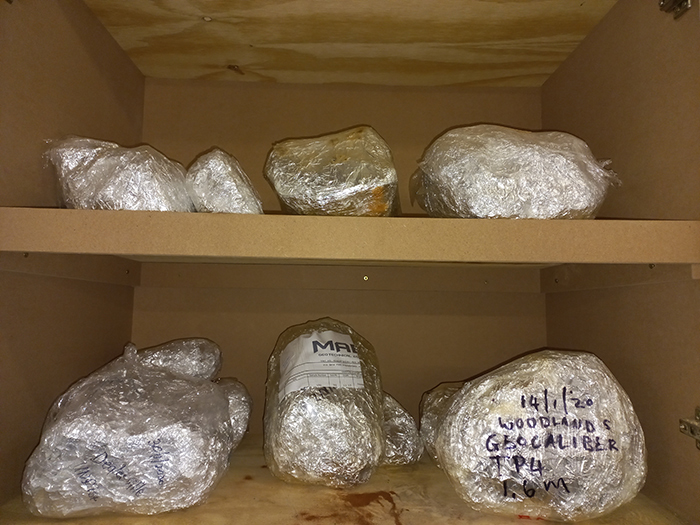
South Africa is classified as a third-world country with a large underprivileged population. Consequently, most of the population depends on the government to provide housing. Many of these houses have failed and continue to fail to meet the expected life span. The problem is, to some extent, linked to improper foundation design due to the location and soil type the houses are built on. With a lack of regularisation of land tenure, the authorities are forced to offer plots in low-lying areas which are dominated by shrinking-swelling clays – abundant in southern Africa – globally known as a major cause of damage to light engineering structures by exhibiting significant volume change in response to changes in soil water content. The calcareous nature of expansive clays in South Africa has also led to high spatial variability of physicomechanical properties, making standard testing and design procedures challenging.
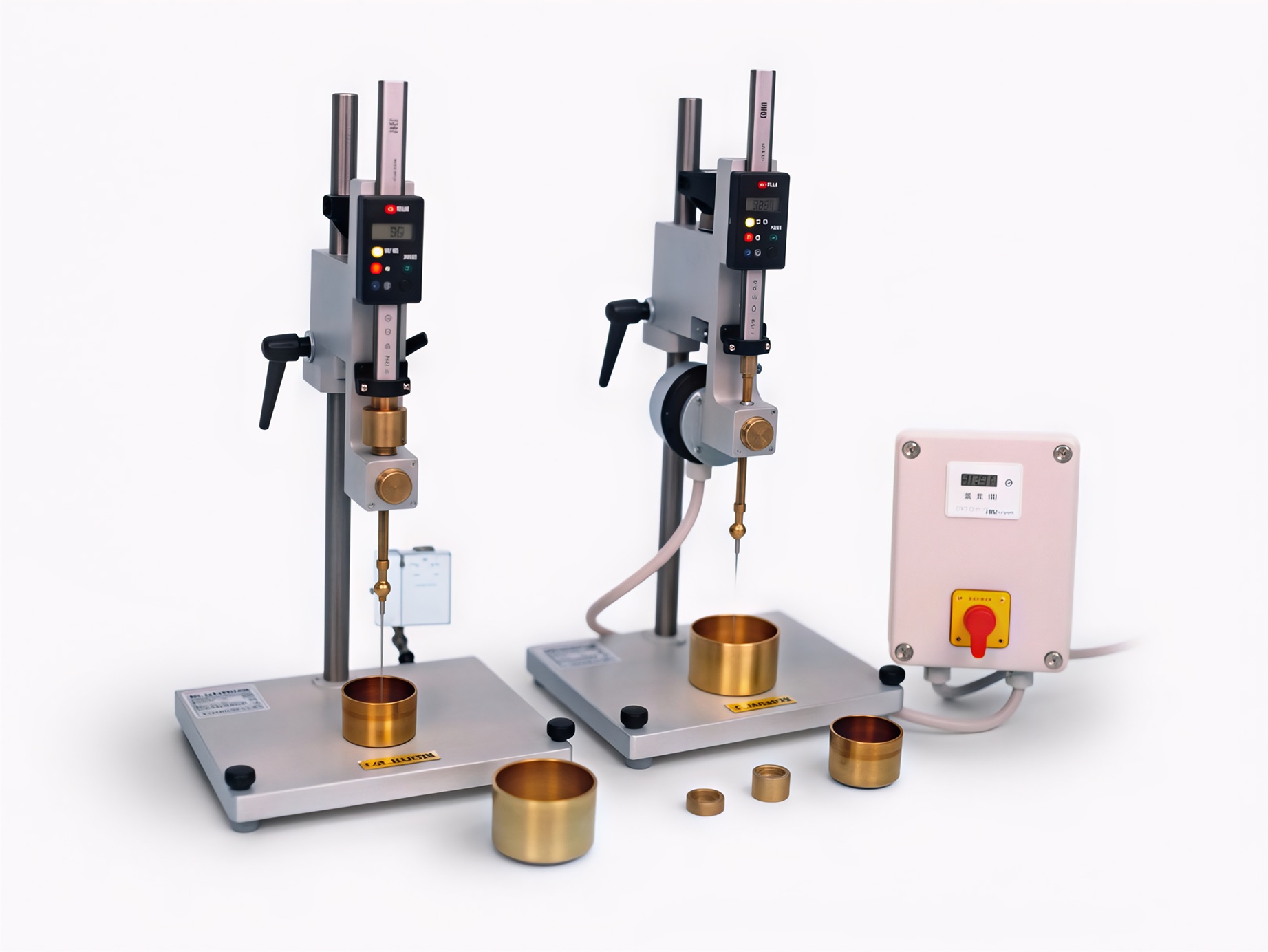
Adopting more reliable, rapid, inexpensive and bespoke testing methods – tripod partnership (industry, academia, and policy-makers) – will benefit from performance-based design and lower maintenance costs of buildings and critical infrastructures across South Africa. This project expands the RAEng TASMIP technology, offering a reproducible consistency index parameter (liquid limit – LL) for highly variable expansive clays and silts. The aim is to verify the modified technology through testing on a wider range of samples from as many different regions of SA, before submitting a policy paper. Parallel work will also be conducted on determining probability density functions for other engineering properties (e.g. undrained shear strength). This should lead to full compliance with Eurocode 7 / BS EN 1997: Choose characteristic values for soil properties ensuring no more than a 5% probability of a limit state being reached because of the property under consideration.
Documents
FINAL P Vosloo Dissertation 20220216.pdf
RAEng PP – 26 May 22.pdf
RAEng Prelim Project Report 2.pdf
RAEng Prelim Project Report 3.pdf
TSP2021_100211_Preliminary_Report__April 2021_to_December_2021_ (3).pdf