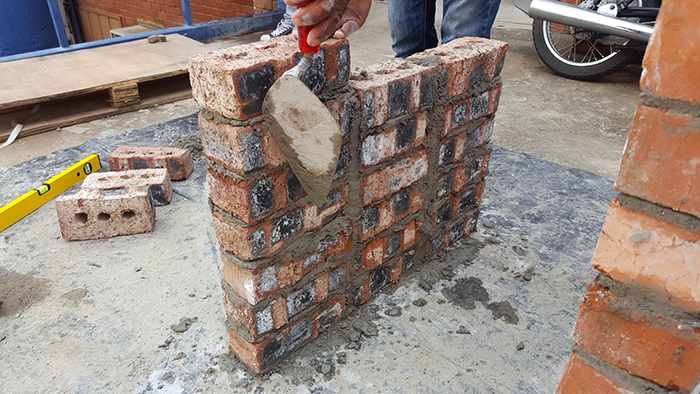
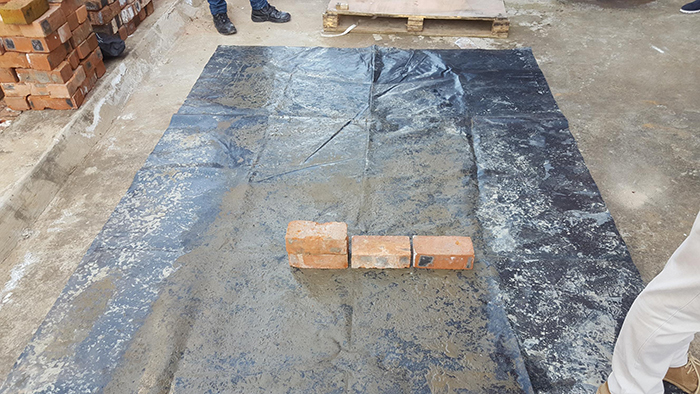
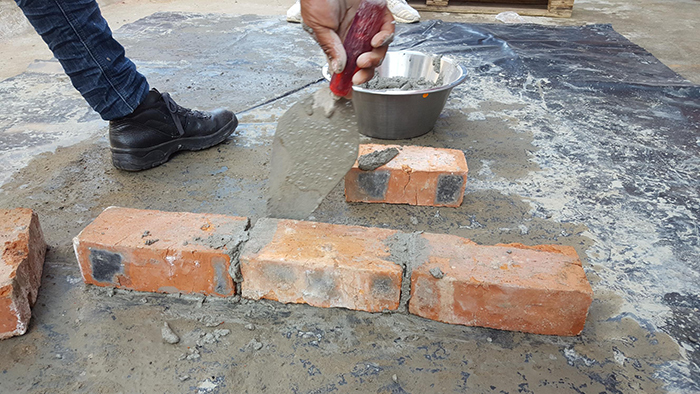
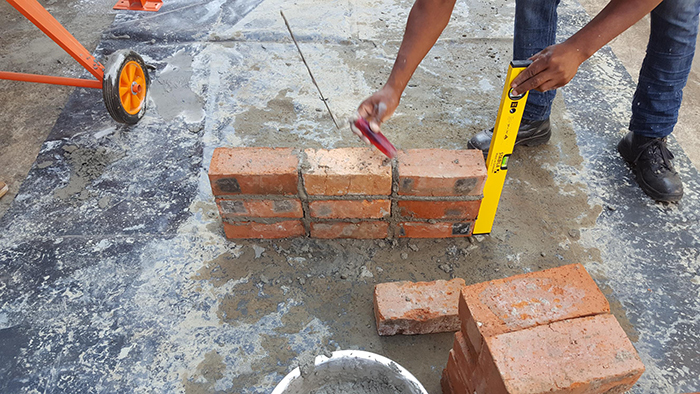
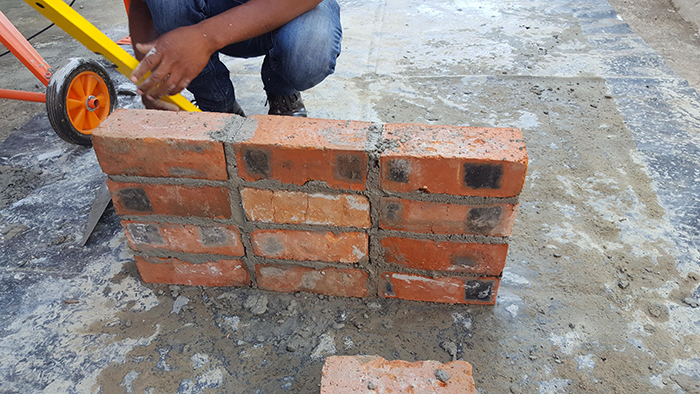
The ancient construction of masonry is still a prominent feature in the industry. Masonry is a construction material for homes, schools, offices and industrial buildings. To ensure that masonry structures are safe, they must comply with the Code of Practice for Unreinforced Masonry (SANS 0164-1:1980 as amended in 1986 and 1987), which states the necessary limitations for masonry design work. Therefore, the SANS devised several tests for different material choices. These tests are mostly performed on physical structures and are destructive, time-consuming, labour-intensive, and costly. Thus, alternative methods that provide equivalent information faster, more accurately and less costly will be advantageous.
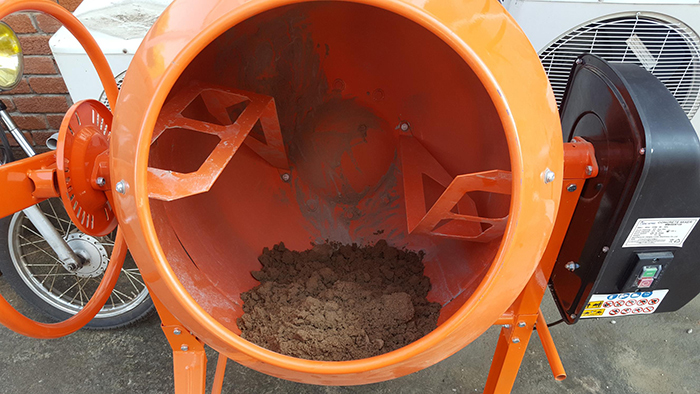
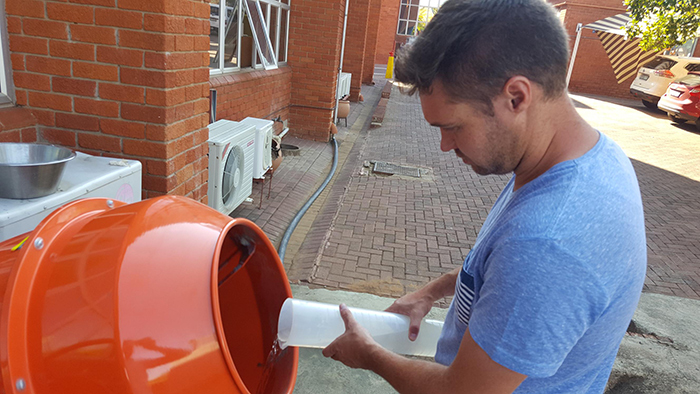
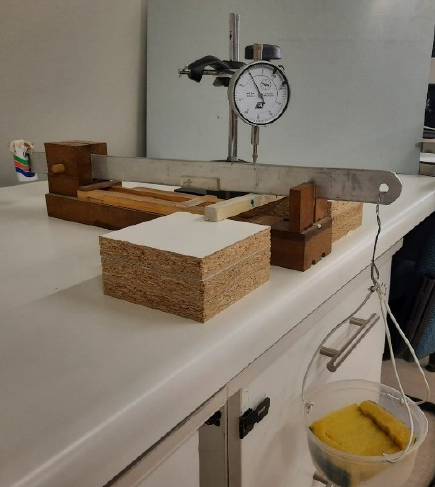
This study was thus undertaken to design a finite element model to simulate the behaviour of masonry wall panels subjected to soil deformation so that rational material choices can be made to improve the susceptibility of cracking in masonry. In Phase 1, the material properties of five different mortar mixes were analysed in a controlled environment at the Central University of Technology Free State laboratory. In Phase 2, a finite element model was designed with the Prokon software program and refined using the mesh refinement method. The performance of different mortar material properties was analysed using the designed finite element model.
Documents