Raft foundation
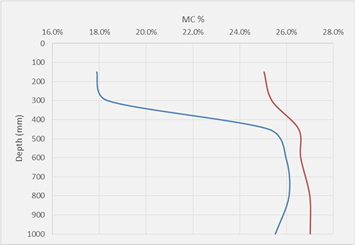
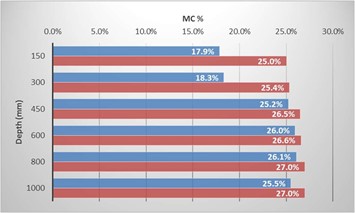
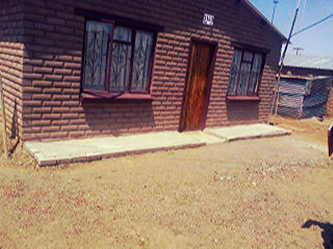
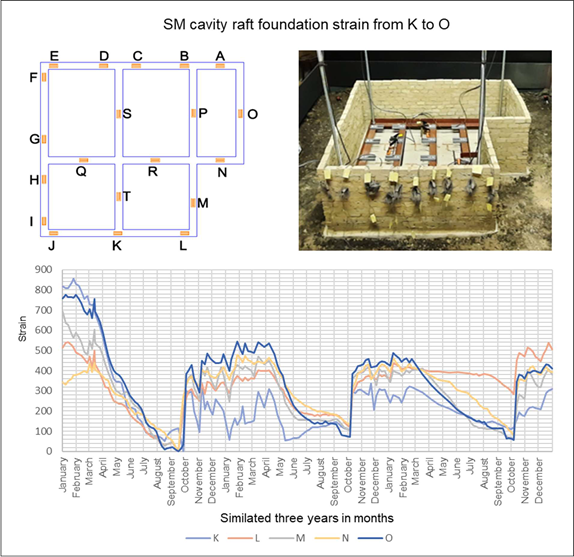
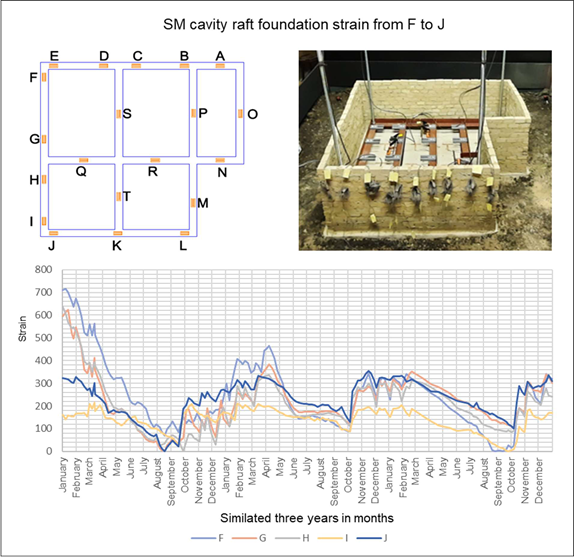
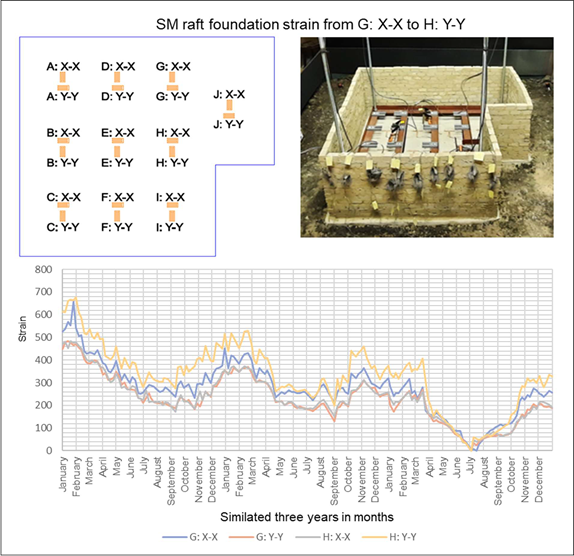
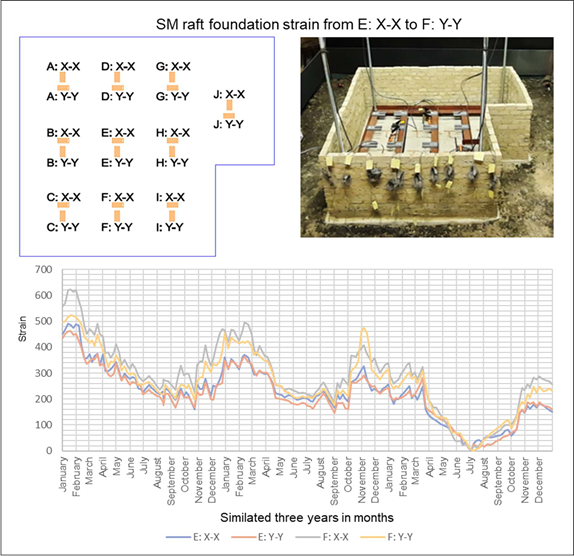
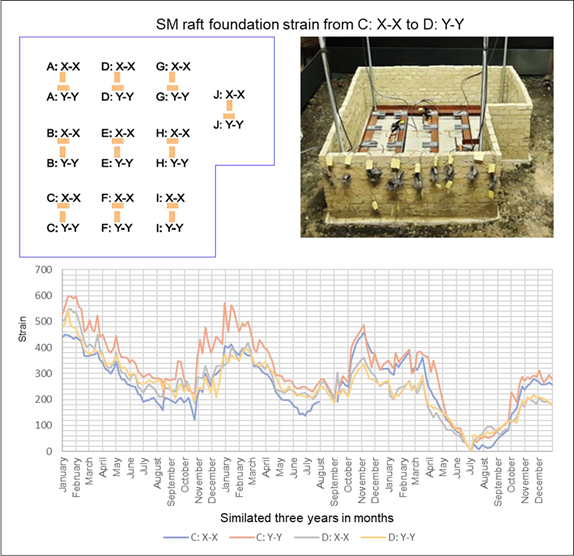
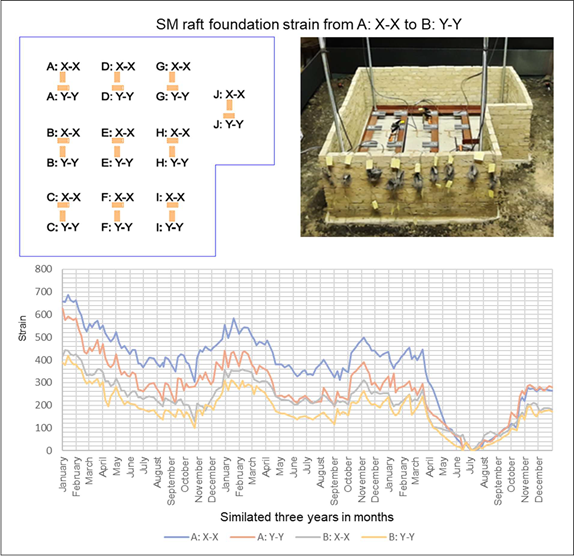
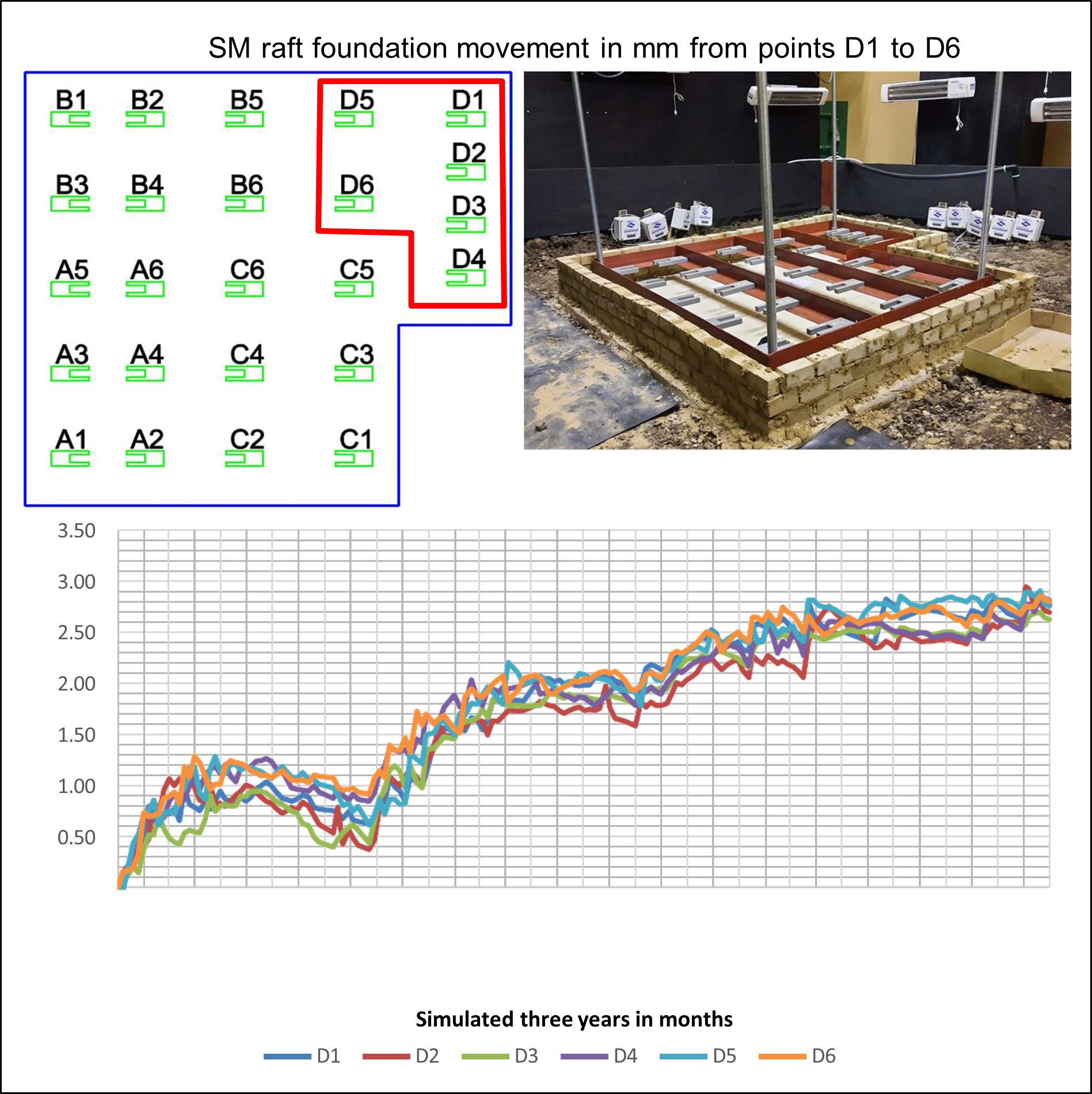
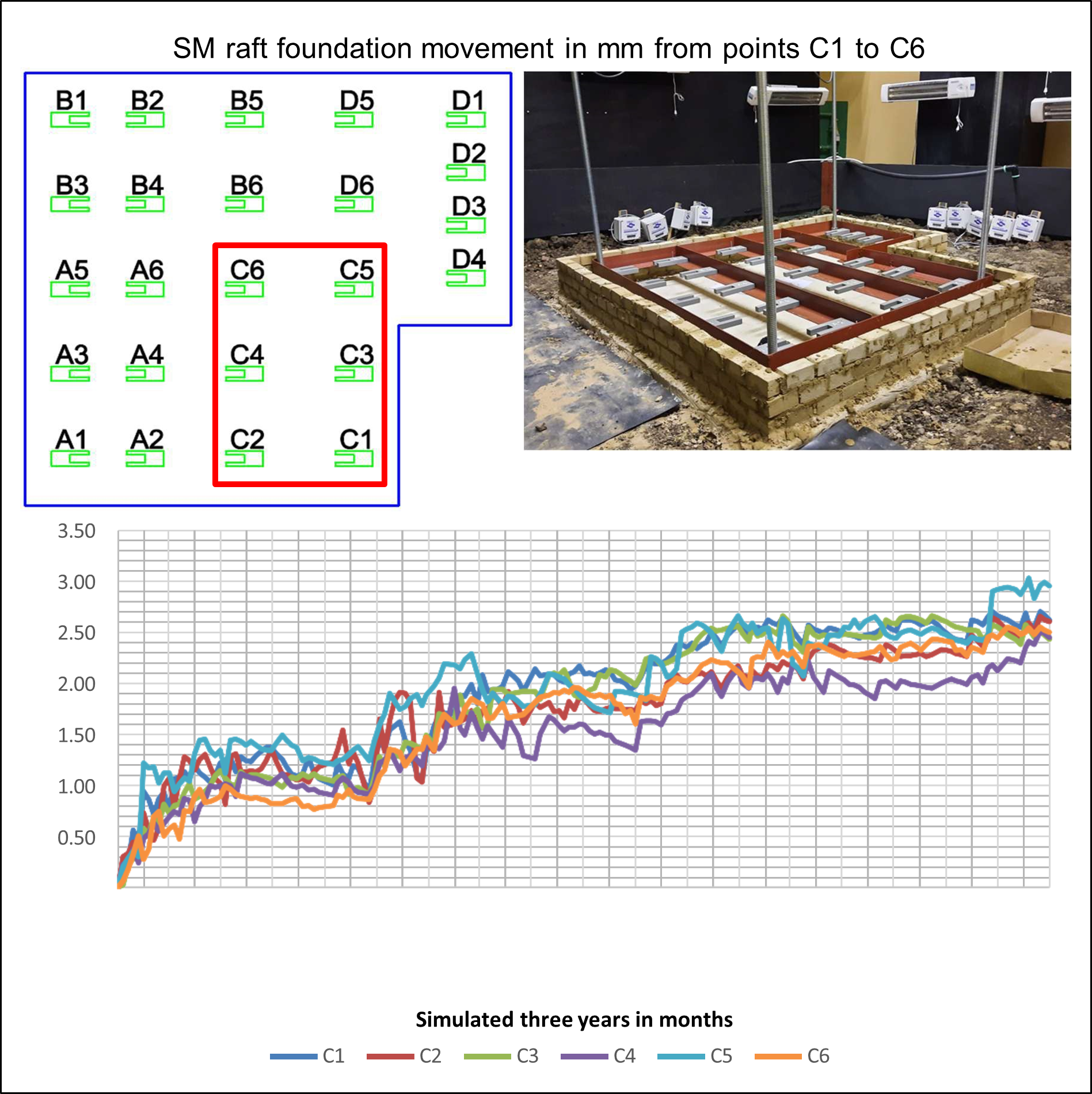
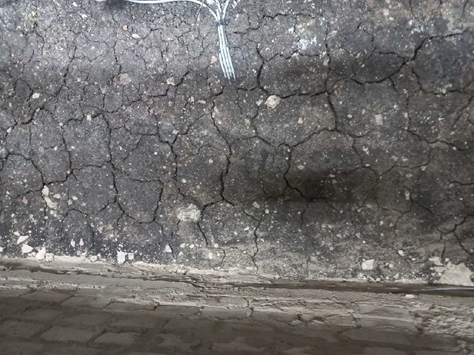
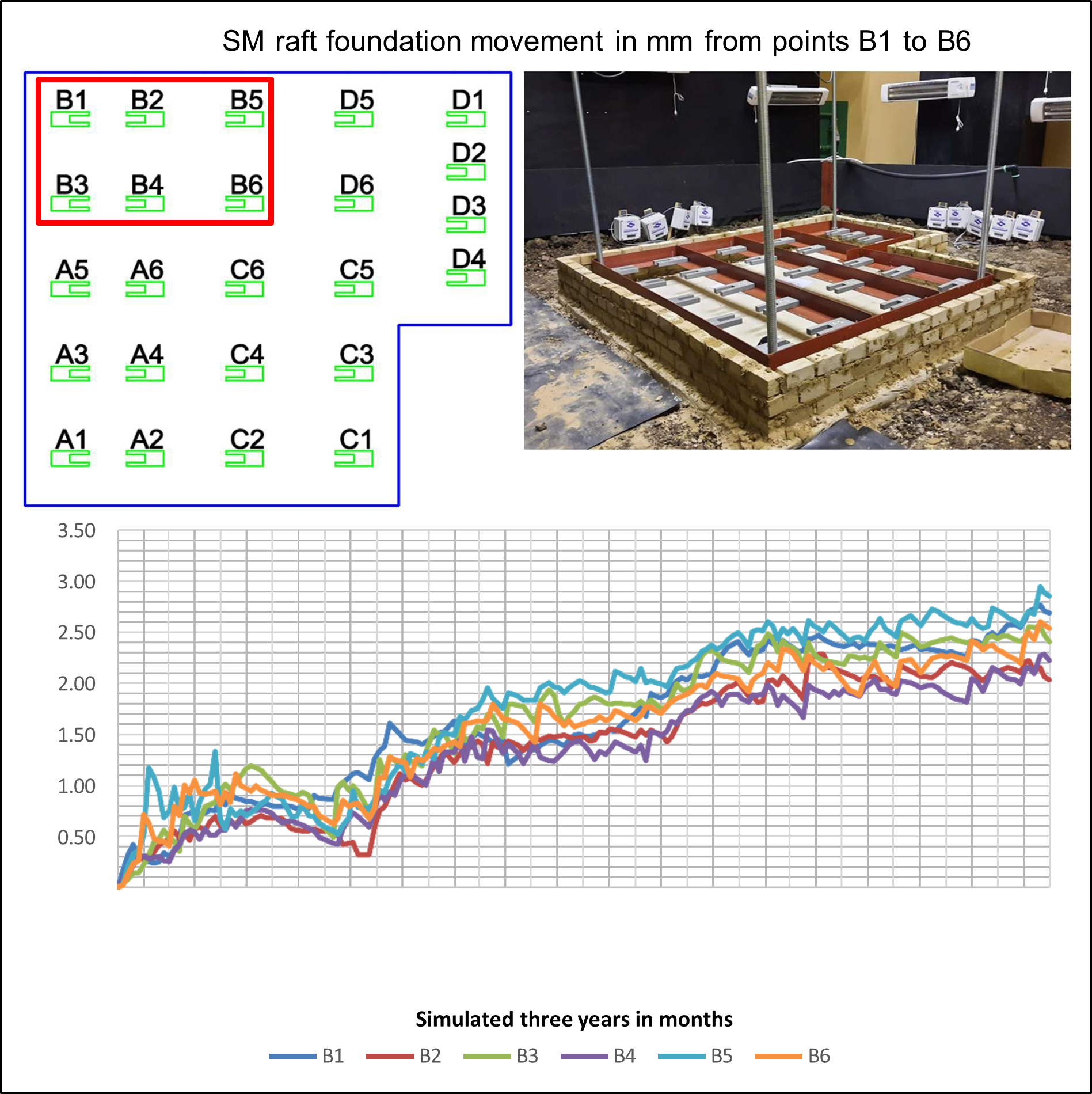
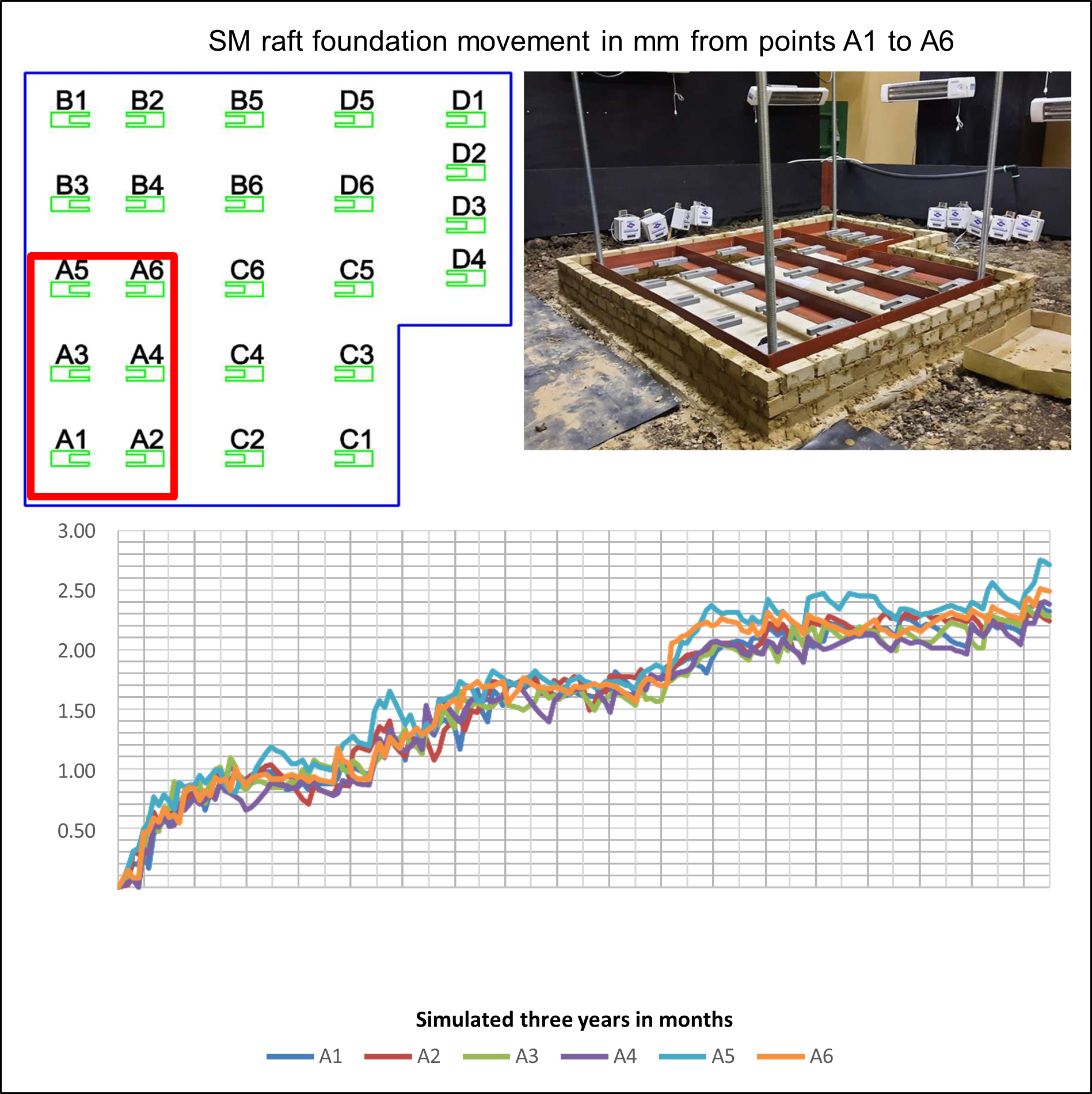
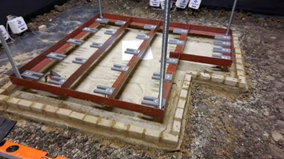
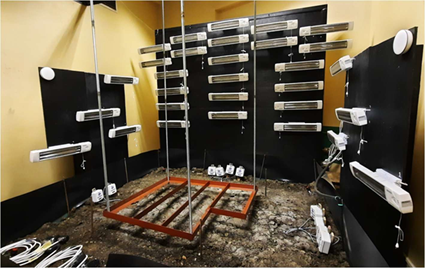
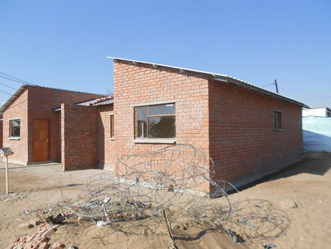
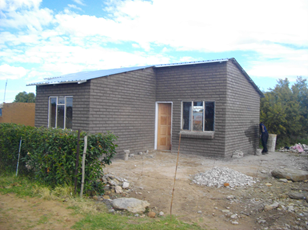
Potentially expansive soils can typically be recognized by their plastic properties. Inorganic clays of high plasticity, generally those with liquid limits exceeding 50 percent and plasticity index over 30, usually have high inherent swelling capacity. Expansive soils owe their characteristics to the presence of swelling clay minerals. As they get wet, the clay minerals absorb water molecules and expand; conversely, as they dry, they shrink, leaving large voids in the soil. Swelling clays can control the behaviour of virtually any type of soil if the clay percentage is more than 5 percent by weight. Soils with smectite clay minerals, such as montmorillonite, exhibit the most profound swelling properties. In 1994 the RDP housing programme was introduced to redress the imbalances of the apartheid legacy by providing housing to poor people who were victims of the land segregation policy by the apartheid government. These low-cost housing units are highly susceptible to damage by swelling clay soils due to their lightness as the clay soils can easily lift the structure when expanding. To prevent excessive cracking, the foundation design must be based on the pattern of heave that will occur underneath it. However, the current design methods rely on inaccurate assumptions about the shape of the center doming that will develop due to moisture movement under the foundation, especially on clay soils. In the study by Bester (2017), a typical RDP house slab was instrumented with moisture and temperature sensors over two entire weather cycles. The outcome indicated that the heave patterns that develop are very different from what current design methods assume. During his doctoral study, Bester modeled different raft foundations to work towards a general procedure that allows the reliable and economic design of a wide range of raft foundations with the prospect of fewer failures. As recommendations from this study, Bester suggests two design processes, which ought to be more reliable. The first step focuses on an adopted foundation design method for stiffened rafts, and the second one explores a novel design idea for a ventilated raft. The adopted design method type will be the focus of this study to provide a design that will prevent light-structured houses from cracking and improve the quality of living of millions of South African people.
Documents
DM Bester MEng pdf
DM Bester DEng pdf