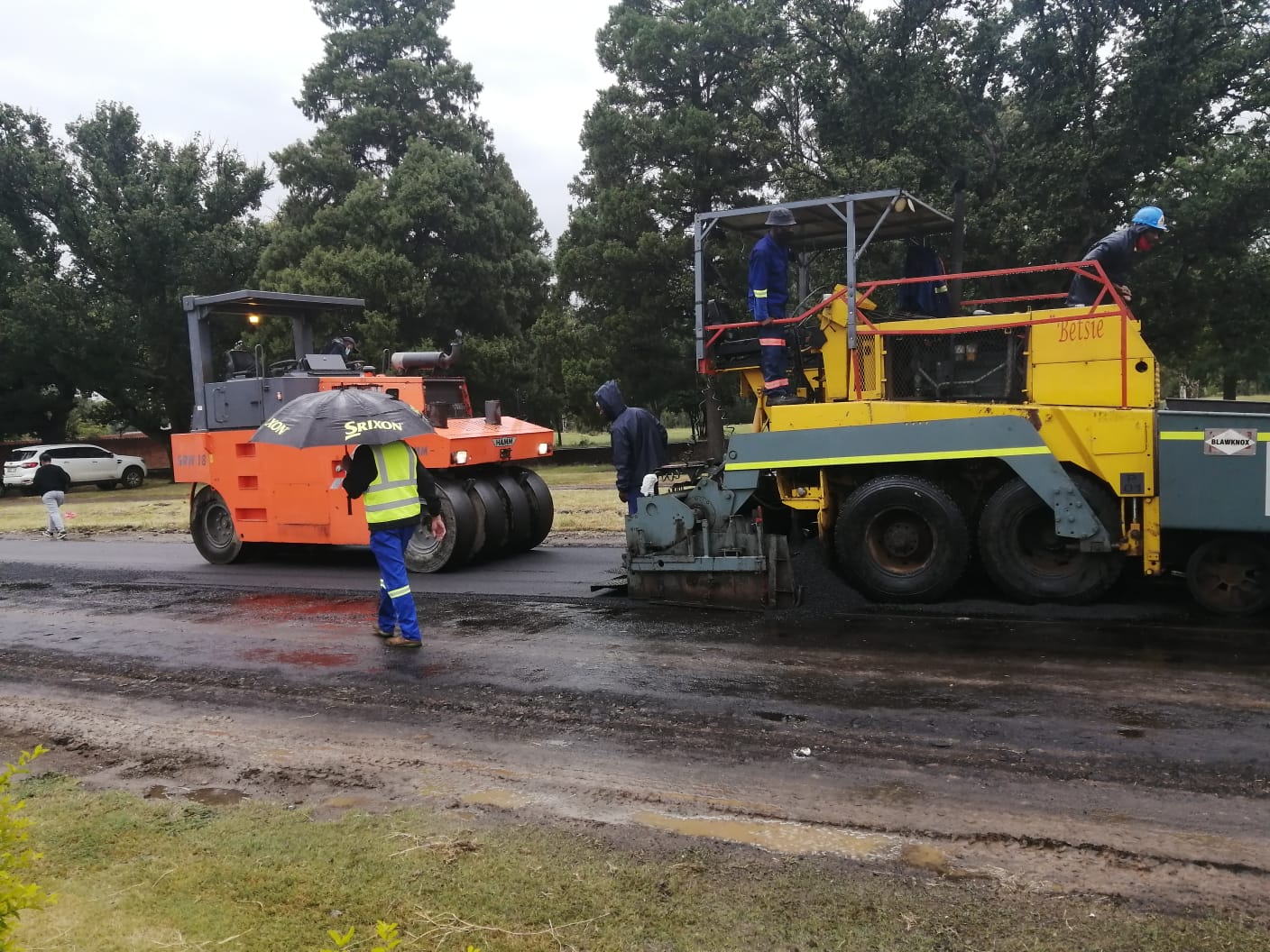
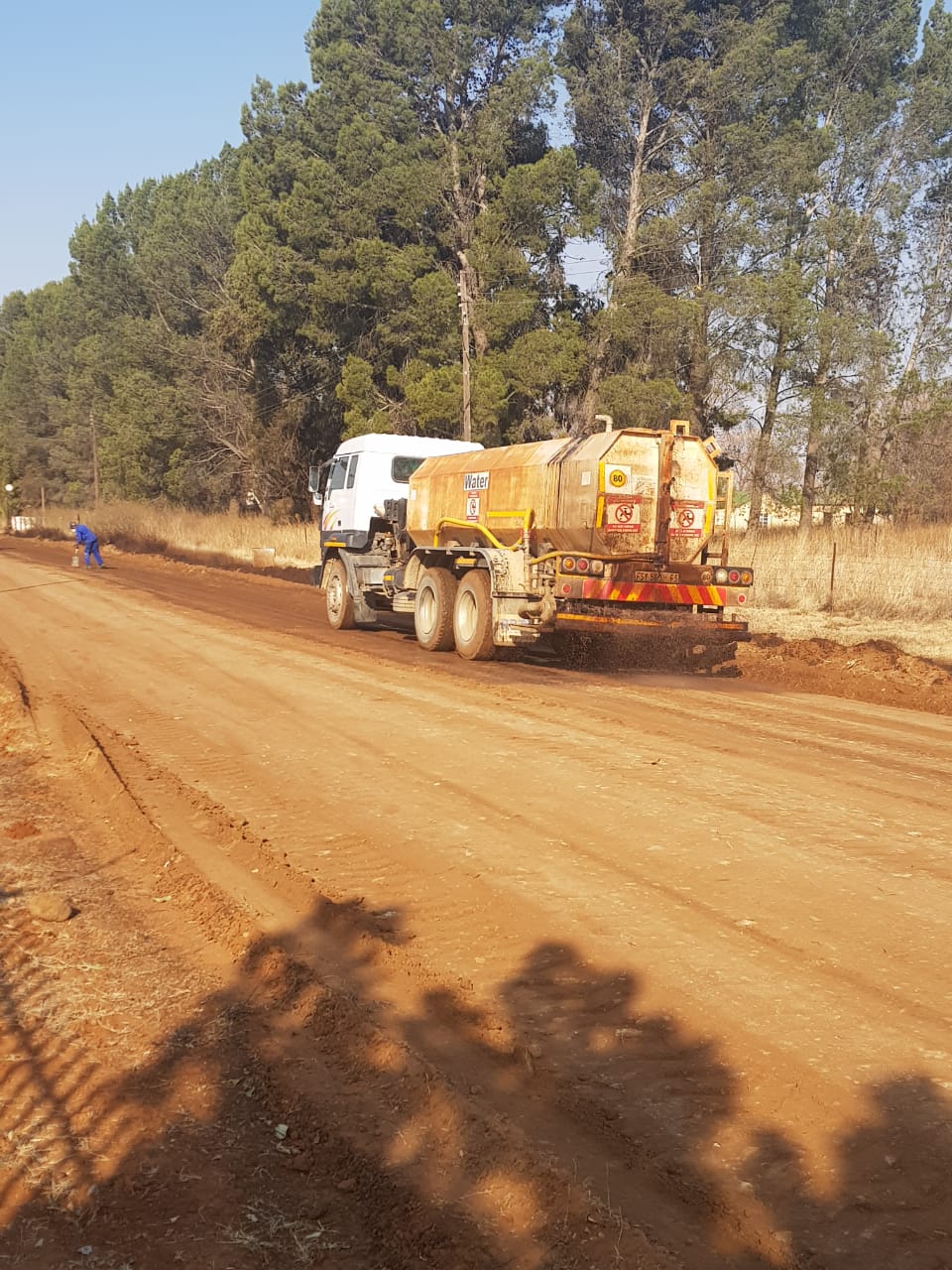
Soil stabilization is an essential technique in modern geotechnical engineering, aimed at improving the physical and mechanical properties of weak soils to enable their use in construction projects. This proposed research explores the use of innovative and locally available stabilizing agents—such as rice husk ash (RHA), fly ash, lime, and biopolymers—for enhancing expansive subgrade soils, which commonly present challenges in terms of compressibility, swelling, and low bearing capacity.
The research will focus on chemical stabilization methods, particularly the blending of binder materials with native soils. Chemical stabilization operates primarily through reactions between stabilizer agents (such as cementitious and pozzolanic materials) and soil minerals, resulting in increased strength, reduced permeability, and enhanced volume stability. Laboratory testing will be conducted to investigate the efficacy of RHA and fly ash blends on remoulded expansive clay. The target is to identify optimal mix ratios that deliver significant improvements in unconfined compressive strength (UCS) and California Bearing Ratio (CBR), as well as reductions in swelling potential.
Further investigations will include comparative cost analysis for highway sub-base preparation with and without admixture stabilization to assess economic viability. Laboratory techniques—compaction (ASTM D 1557), UCS (ASTM D 2166), CBR (ASTM D 1883), and consolidation tests (ASTM D 2435)—will be employed to ensure the reliability of results. In addition, the research will address concerns regarding the gap between laboratory and field performance by proposing modified test procedures that better reflect field conditions, such as simulating traffic-induced compaction and moisture evaporation.
The expected outcomes include robust data supporting the suitability of RHA, fly ash, and biopolymer blends for soil stabilization, offering both technical and environmental benefits. Recommendations will be made for optimal mix designs and test procedures, potentially advancing sustainable road construction practices in South Africa and similar settings. Through this research, locally sourced waste materials may be valorised, reducing costs while improving infrastructure durability and performance.